Waterproof Membrane Geomembrane HDPE
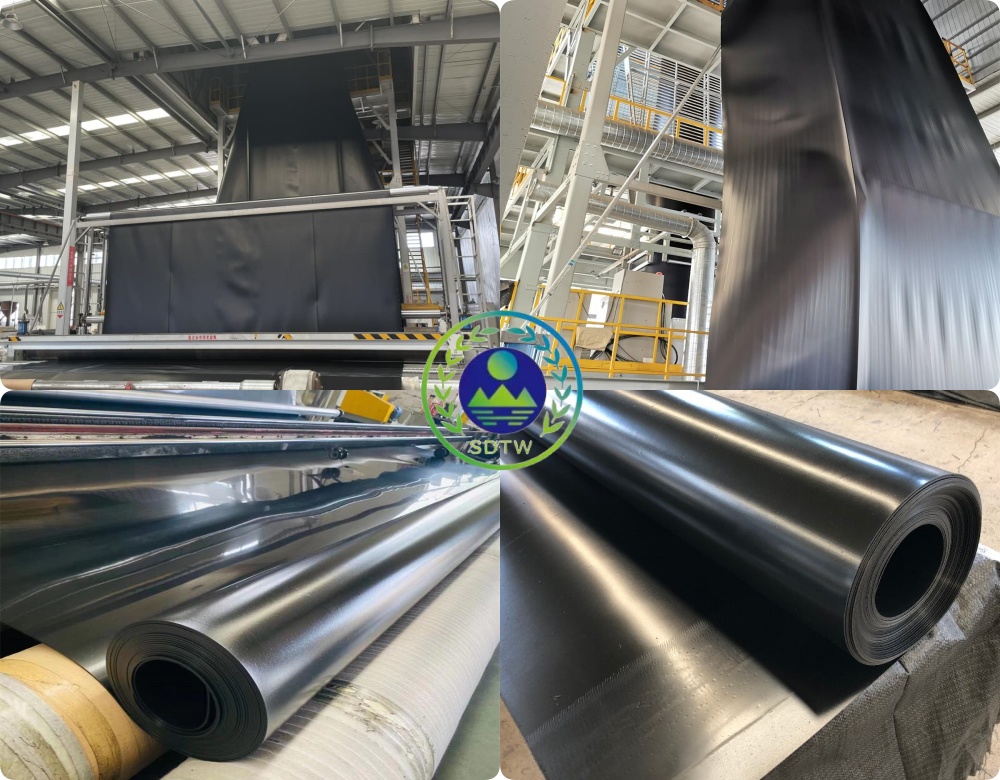
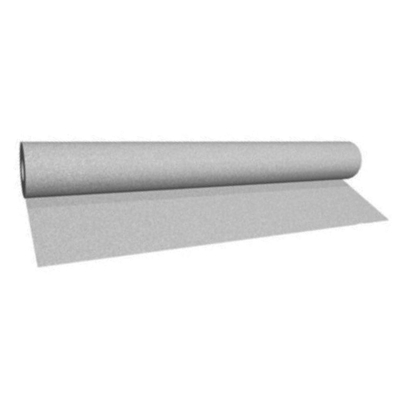
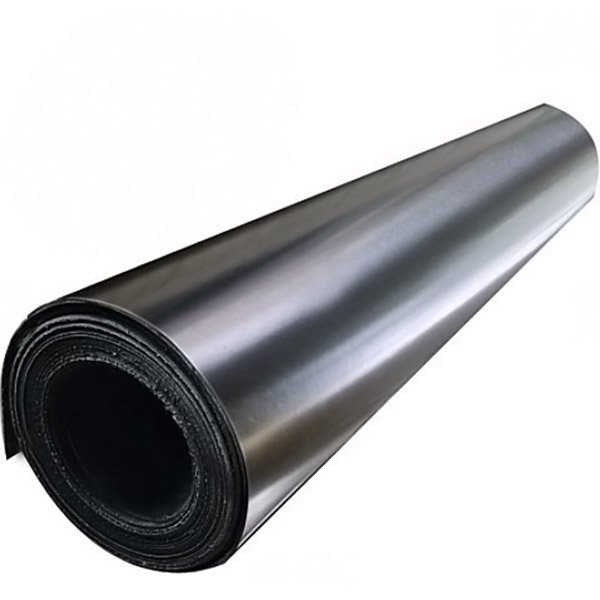
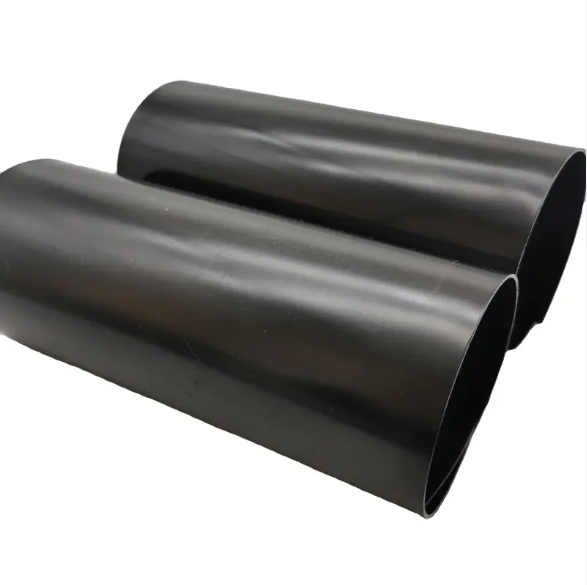
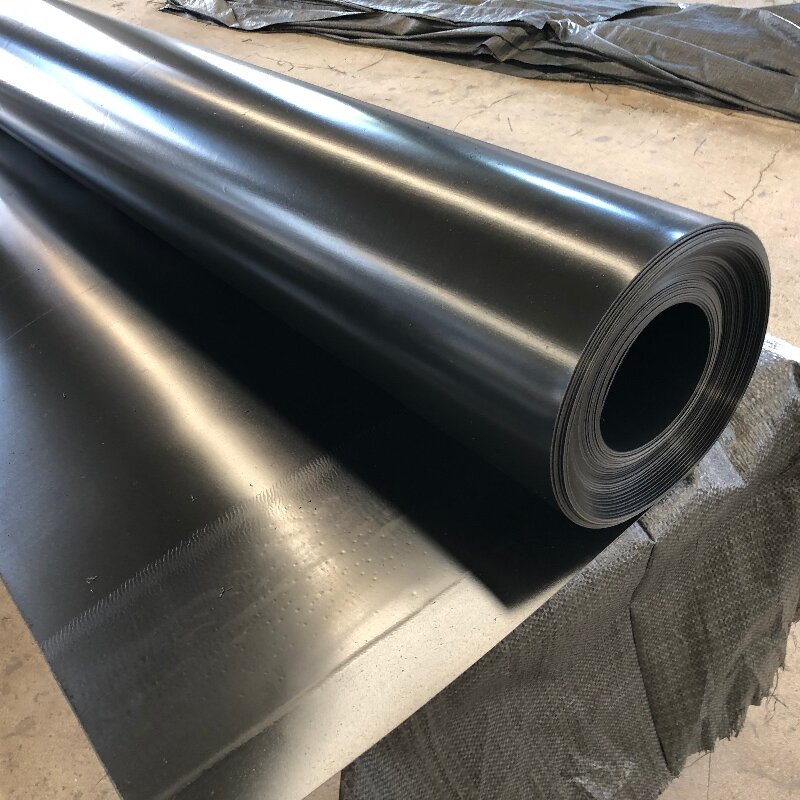
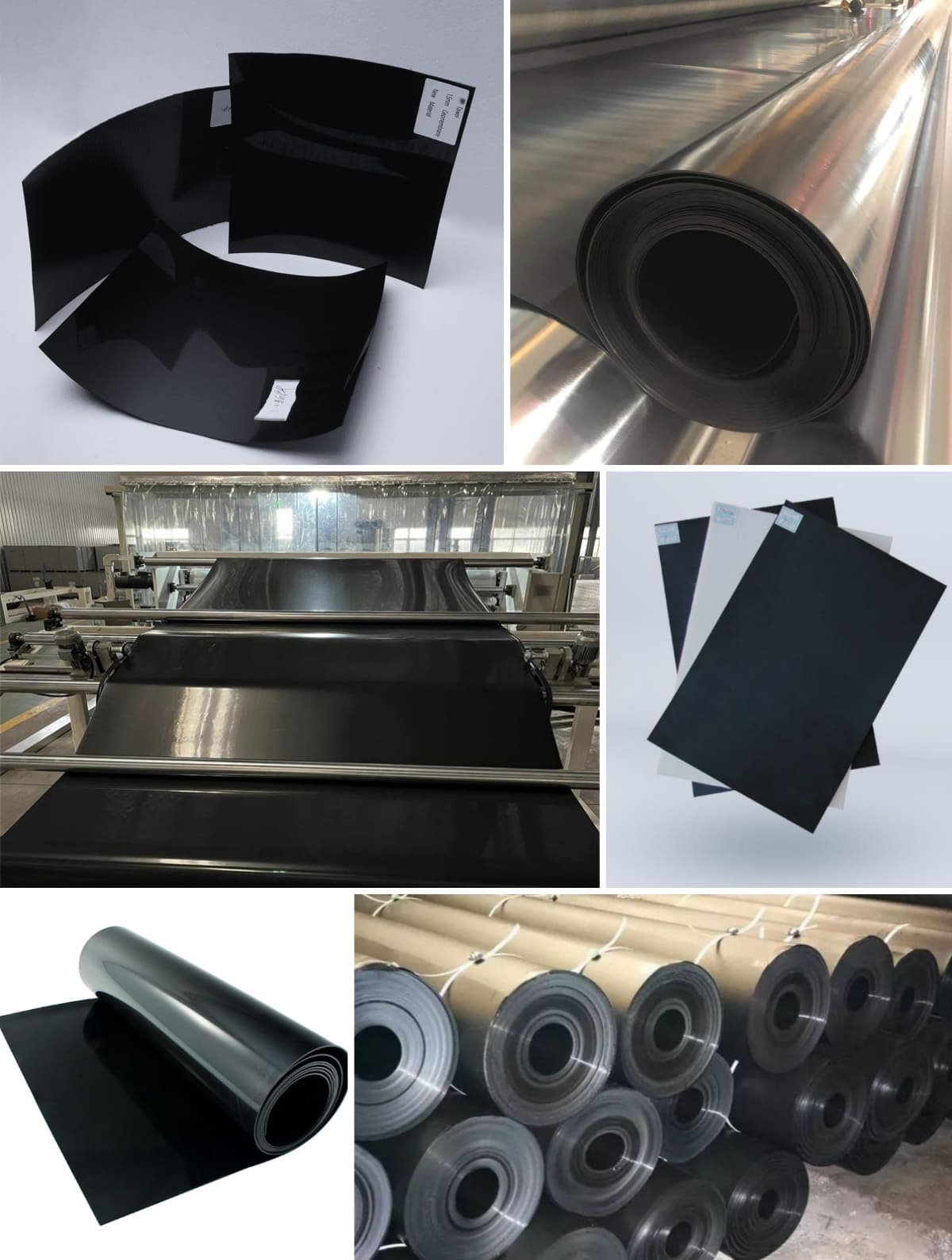
Smooth HDPE geomembrane is produced using three-layer blow molding or calendering technologies.
This material is an effective waterproof barrier for engineering structures.
Its surface has a smooth film-like texture.
1. Excellent anti-penetration properties, waterproof, seepage-proof and insulating.
2. High resistance to chemical corrosion.
3. Excellent impact strength and wear resistance.
Smooth HDPE geomembrane is a geosynthetic material made from high-density polyethylene.
Material: HDPE
Thickness: 0.2-3mm
Width: 1-8 m
Length: according to customer requirements
Peculiarities:
1. Excellent resistance to chemical corrosion: It is highly resistant to corrosive agents such as acids, alkalis and salts.
2. Significant Strength: HDPE geomembrane has high tensile strength, which allows it to meet the requirements of high-level engineering projects.
3. Weather resistance: HDPE geomembrane has high weather resistance and anti-aging properties, and can be used for a long time while maintaining its original characteristics.
4. Waterproof: HDPE geomembrane is a flexible waterproof material with high infiltration resistance, which can effectively block water.
5. Environmental safety: made of environmentally friendly materials, does not contain toxic substances, is odorless and recyclable.
Application:
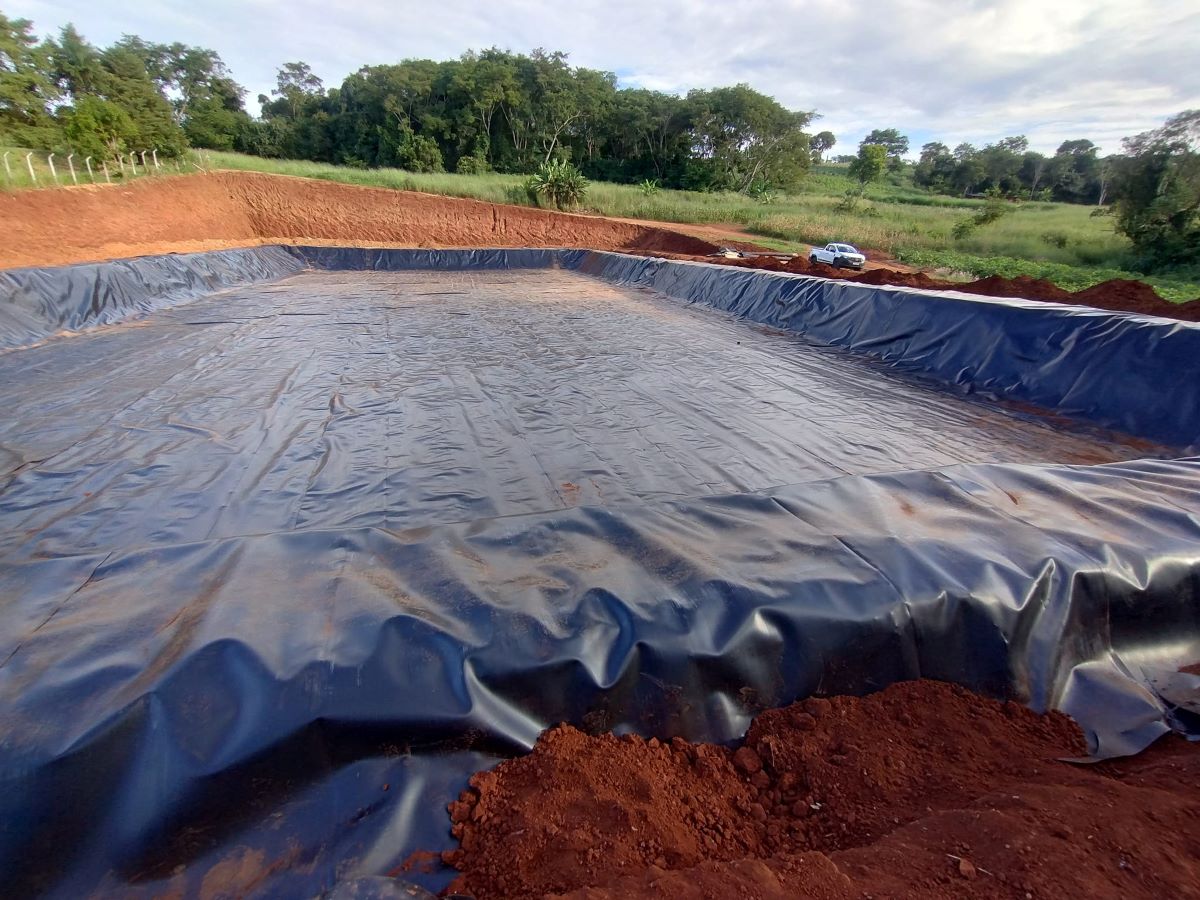
Reservoir Projects: High-density polyethylene (HDPE) geomembrane is an ideal material for creating subsidence and containment layers in canals, reservoirs, subsidence walls and similar structures. |
|
|
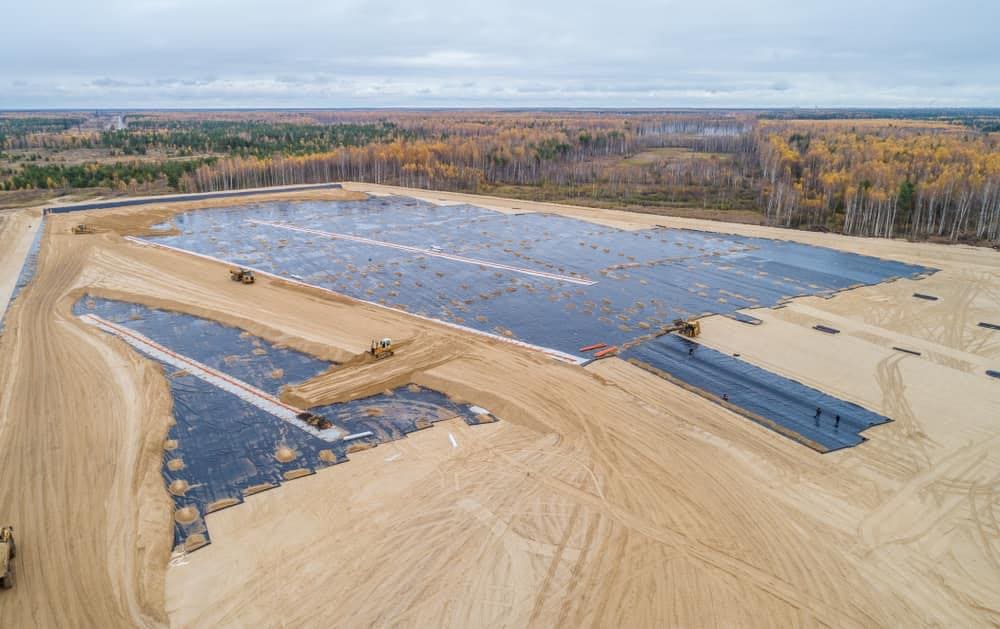
Soil Pollution Prevention and Control: HDPE geomembrane can be used as an insulating layer on the bottom and side walls of soil pollution prevention and control structures to block the penetration and spread of hazardous substances. |
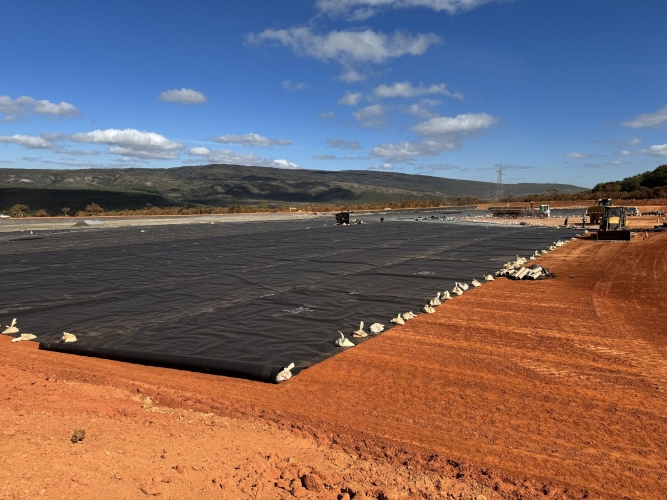
Basic Engineering: HDPE geomembrane can be applied as a waterproof insulation layer in basements, underground cities and other large engineering projects. |
|
|
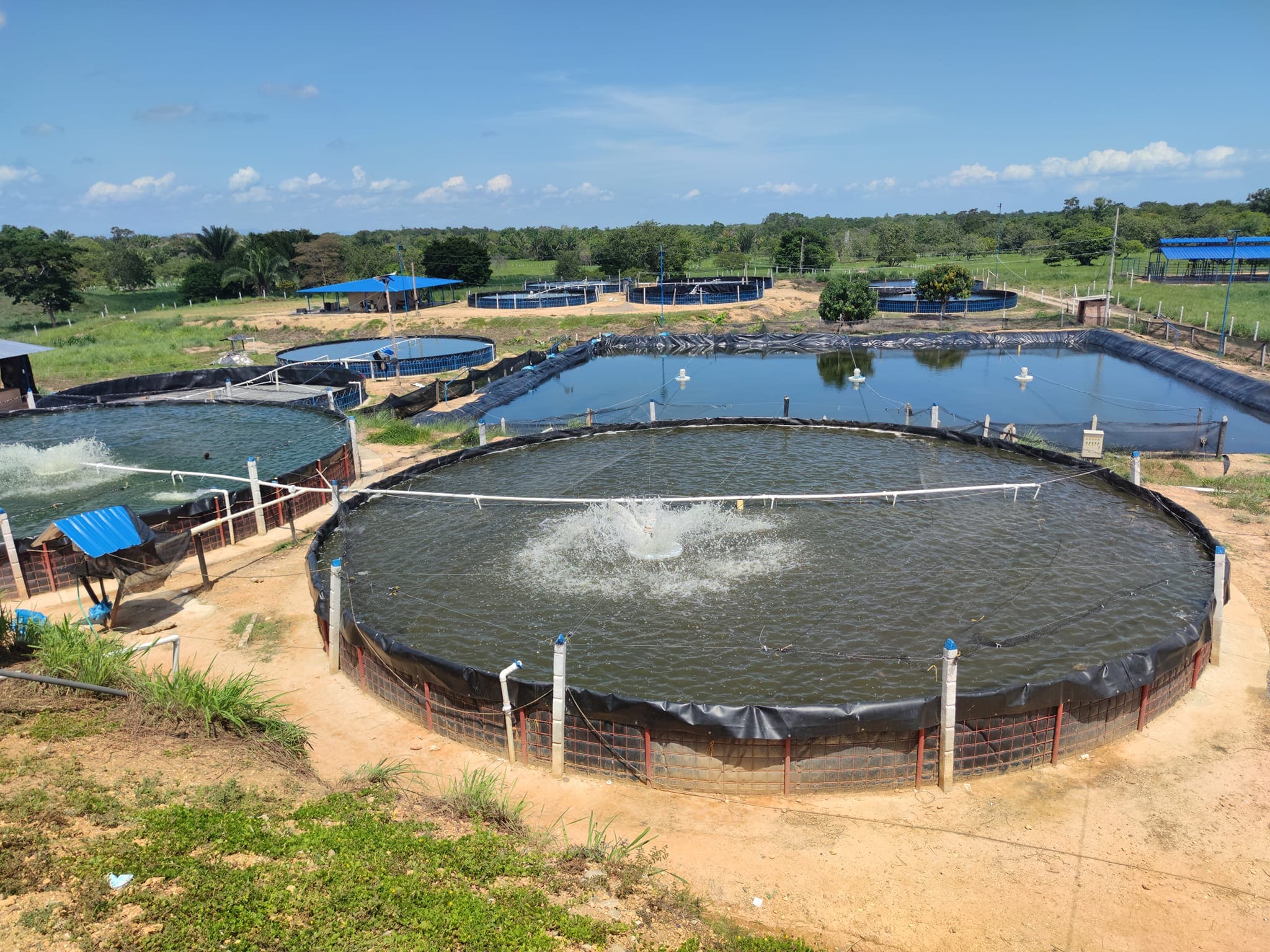
Artificial Lakes and Breeding: HDPE geomembrane can act as an anti-permeability layer in artificial ponds, swimming pools and breeding areas, providing protection against leaks and seepage. |
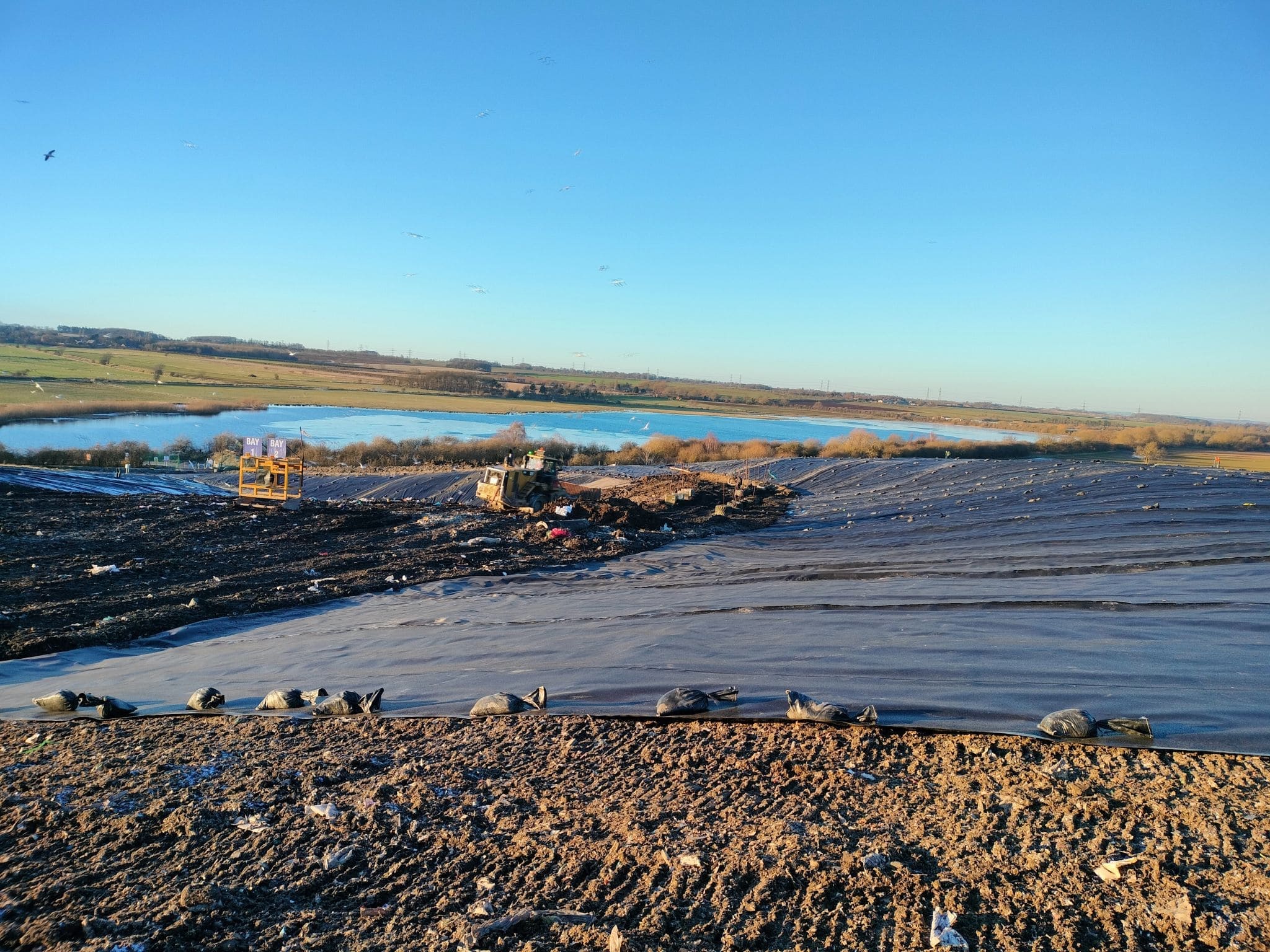
Landfills: HDPE geomembranes can be used as subsidence layers in landfills to prevent waste leakage and groundwater contamination. |
|